Wheat
Satellite stress detection and biological solutions built for wheat operations. From nitrogen fixation to phosphorus solubilization — orbit to harvest.
Scan My Wheat Fields Free →Key Stress Signals
- → NDVI drop >0.15 over 10 days — nutrient or disease stress
- → Patchy low-NDVI zones — compaction or drainage
- → Field-edge yellowing — N deficiency boundary
- → Uniform low NDVI at early stage — act now
Biological Solutions for Wheat


Liquid
In Stock
View Product →
Icarus NitroFix
Biological nitrogen fixation — replace 20–40 lbs N/acre
CornWheatSorghum+2
from $189.00
50 acres covered


Liquid
In Stock
View Product →
Icarus PhosUnlock
Phosphorus solubilization — unlock what's already in your soil
CornSoybeansWheat+2
from $165.00
50 acres covered
Lyophilized
In Stock
View Product →
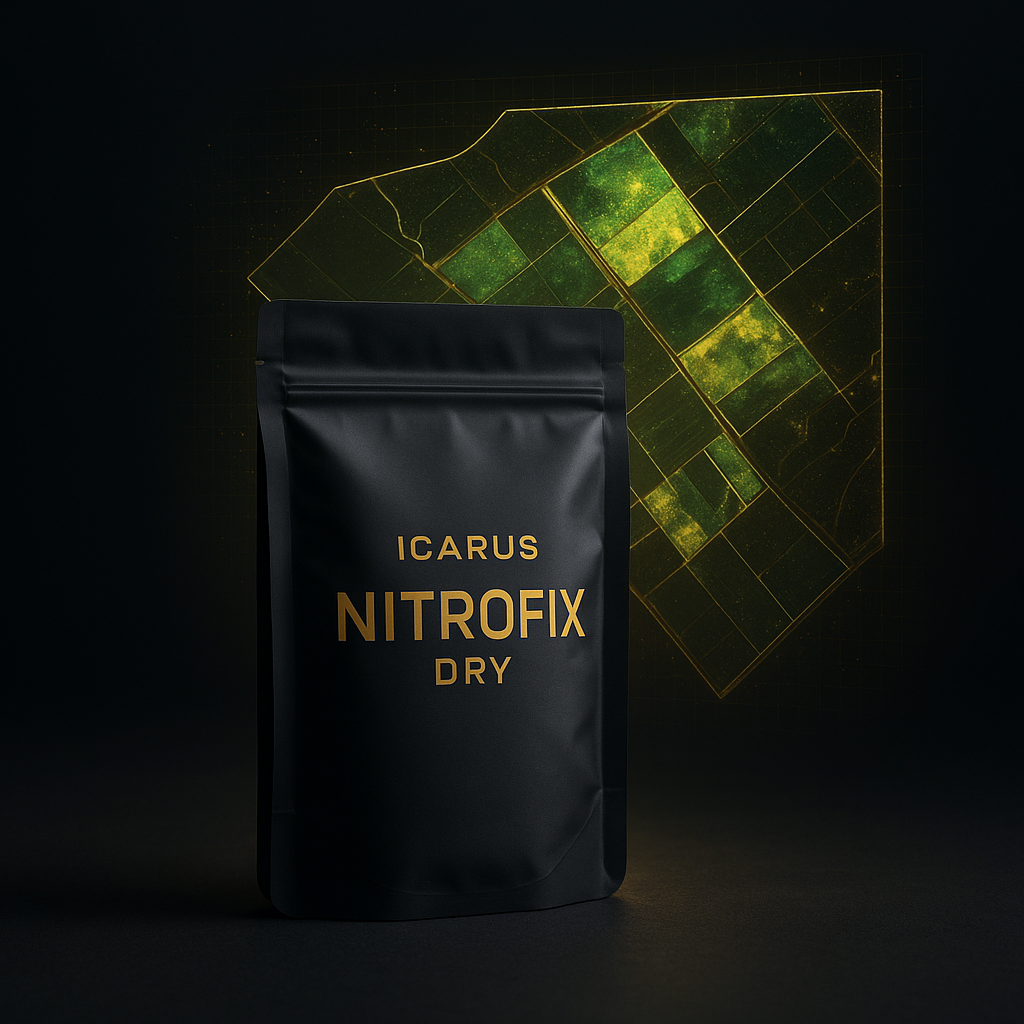
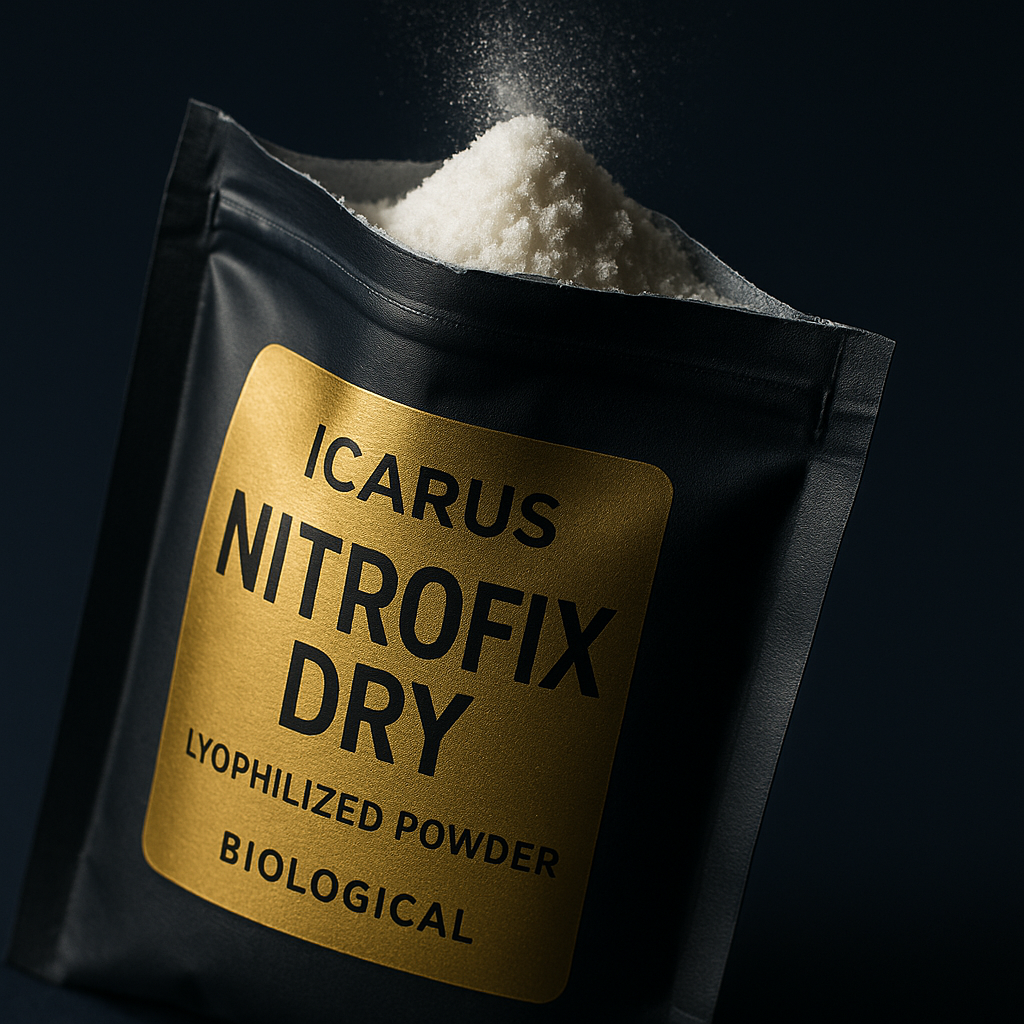
Icarus NitroFix Dry
Freeze-dried nitrogen fixer — no refrigeration, 24-month shelf life
CornWheatSorghum+2
from $229.00
100 acres covered

Lyophilized
In Stock
View Product →
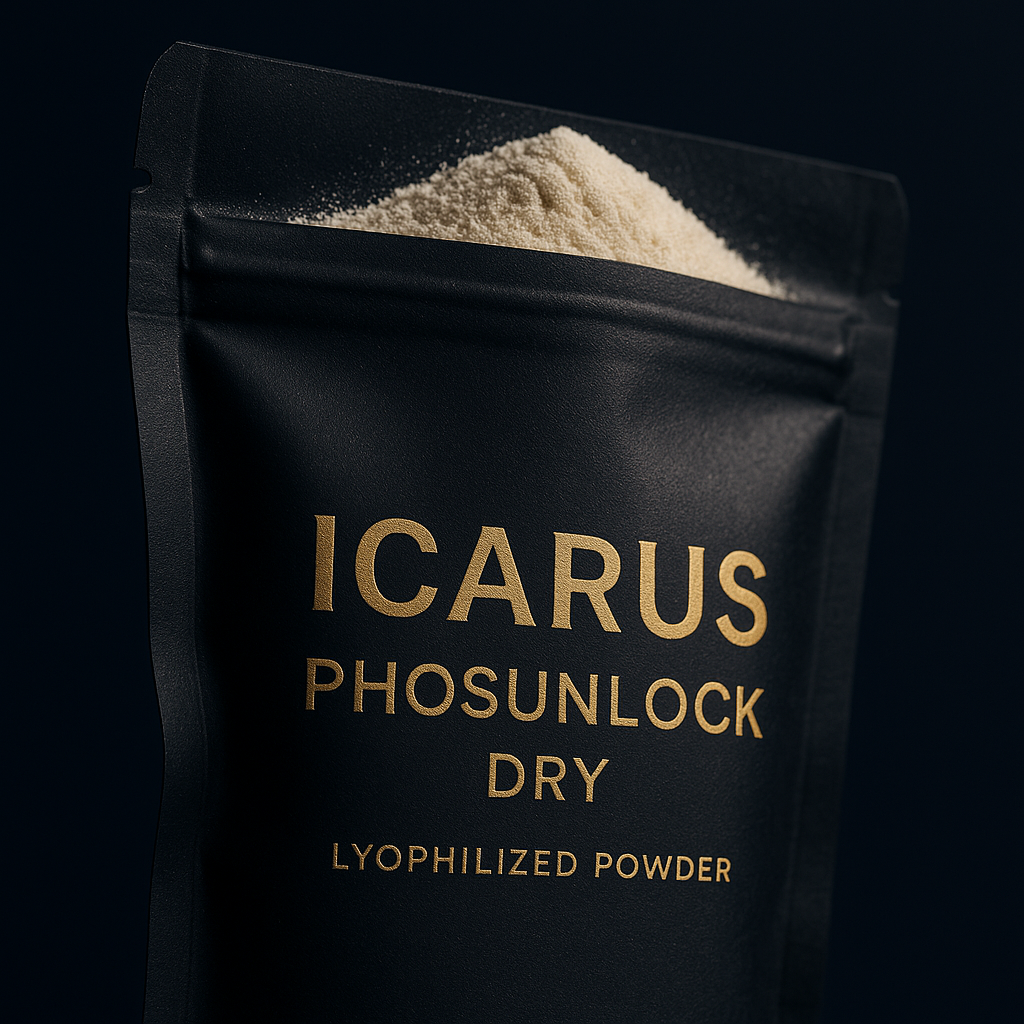
Icarus PhosUnlock Dry
Freeze-dried phosphorus solubilizer — ambient storage, 1 lb covers 100 acres
CornSoybeansWheat+2
from $199.00
100 acres covered
Wheat by State
Compliance-filtered recommendations. Only products registered in your jurisdiction.
Wheat in Alabama →Wheat in Arkansas →Wheat in Colorado →Wheat in Georgia →Wheat in Idaho →Wheat in Illinois →Wheat in Indiana →Wheat in Iowa →Wheat in Kansas →Wheat in Kentucky →Wheat in Michigan →Wheat in Minnesota →Wheat in Mississippi →Wheat in Missouri →Wheat in Montana →Wheat in Nebraska →Wheat in North Dakota →Wheat in Ohio →Wheat in Oklahoma →Wheat in South Dakota →Wheat in Tennessee →Wheat in Texas →Wheat in Wisconsin →
Frequently Asked Questions — Wheat
What is the best biological nitrogen fixer for Wheat in the US Midwest?+
Azospirillum brasilense and Herbaspirillum seropedicae are the best biological N fixers for wheat. These rhizosphere colonizers work best in combination with reduced synthetic N applications. For the US Midwest operations, look for products registered with the the US Midwest Department of Agriculture and tested in Midwest climate conditions.
When should I apply biological inoculants to Wheat in the US Midwest?+
Apply biological inoculants as a seed treatment or in-furrow at planting. Fall-planted winter wheat also benefits from a topdress biological application in early spring at green-up. In the US Midwest, soil temperatures at planting depth should exceed 50°F for optimal inoculant activity — typically late April through May for most growing regions.
What are common NDVI stress signals in the US Midwest wheat fields?+
Yellow leaf tips at tillering, slow green-up in satellite imagery compared to surrounding fields, and NDVI values below 0.5 at heading stage are key stress signals in wheat. Icarus scans your the US Midwest fields with Sentinel-2 satellite imagery every 5 days at 10m resolution — catching these signals before they become yield losses.
How much nitrogen can biological fixers replace in Wheat in the US Midwest?+
Biological N fixers in wheat replace 15–30 lbs N/acre in most research conditions — worth $9–19/acre. Combined with precise NDVI-guided topdress applications, total N savings reach 25–40%. the US Midwest growers on the Icarus platform average $18/acre in documented N savings across their first full season using biological programs.
How does soil type in the US Midwest affect biological inoculant performance on Wheat?+
Wheat performs best with biological inoculants in well-drained soils with good aeration. High-clay soils benefit from higher application rates; compacted soils need aeration before inoculant use. Many the US Midwest fields feature diverse soil types across the state — a free Icarus field scan can identify which zones will respond best to biologicals.