Soybeans in Michigan
Biological solutions for soybeans operations in Michigan. All products are registered and compliant for use in Michigan.
ComplianceProducts shown are registered with the Michigan Department of Agriculture for soybeans. Icarus auto-filters by state at checkout.
Recommended for Soybeans in Michigan


Liquid
In Stock
View Product →
Icarus PhosUnlock
Phosphorus solubilization — unlock what's already in your soil
CornSoybeansWheat+2
from $165.00
50 acres covered


Liquid
In Stock
View Product →
Icarus RhizoMax
Rhizobium inoculant for soybeans — maximize N fixation
SoybeansAlfalfaClover+2
from $149.00
50 acres covered
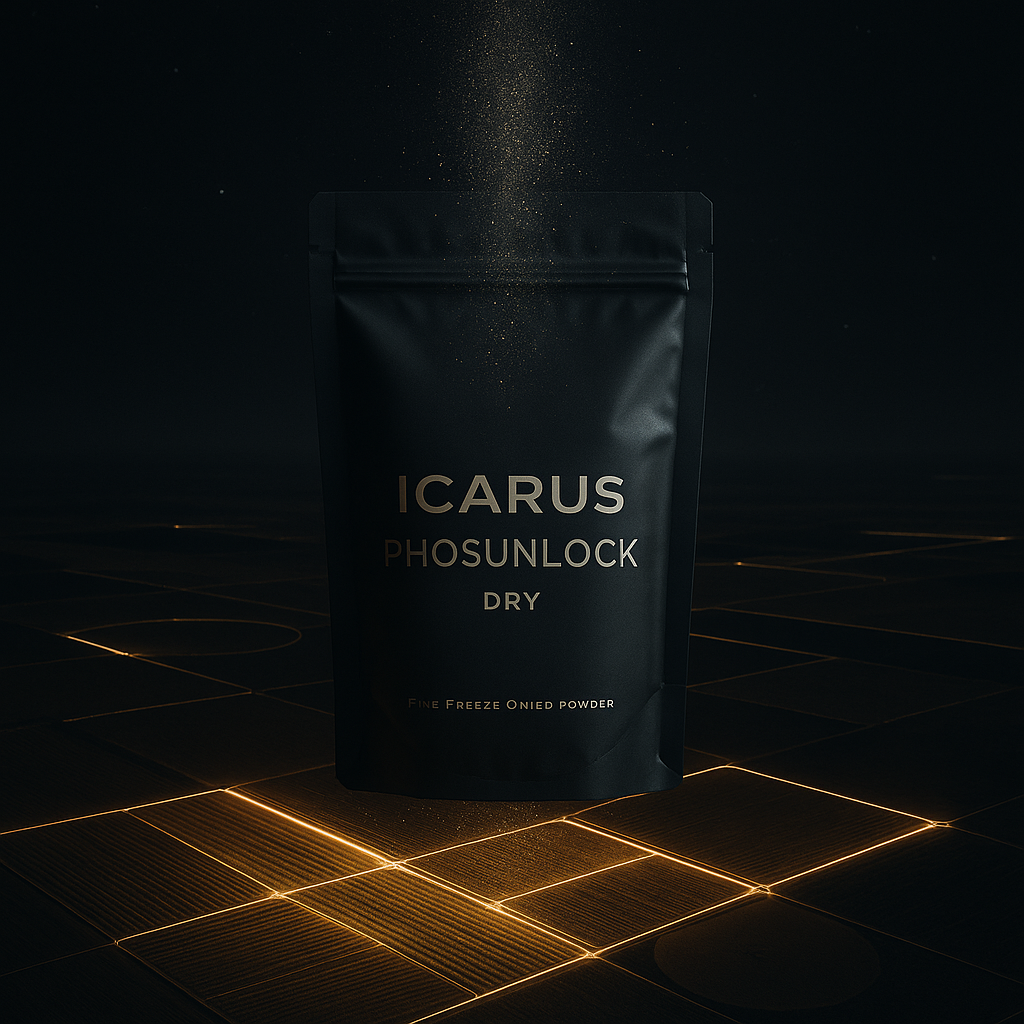
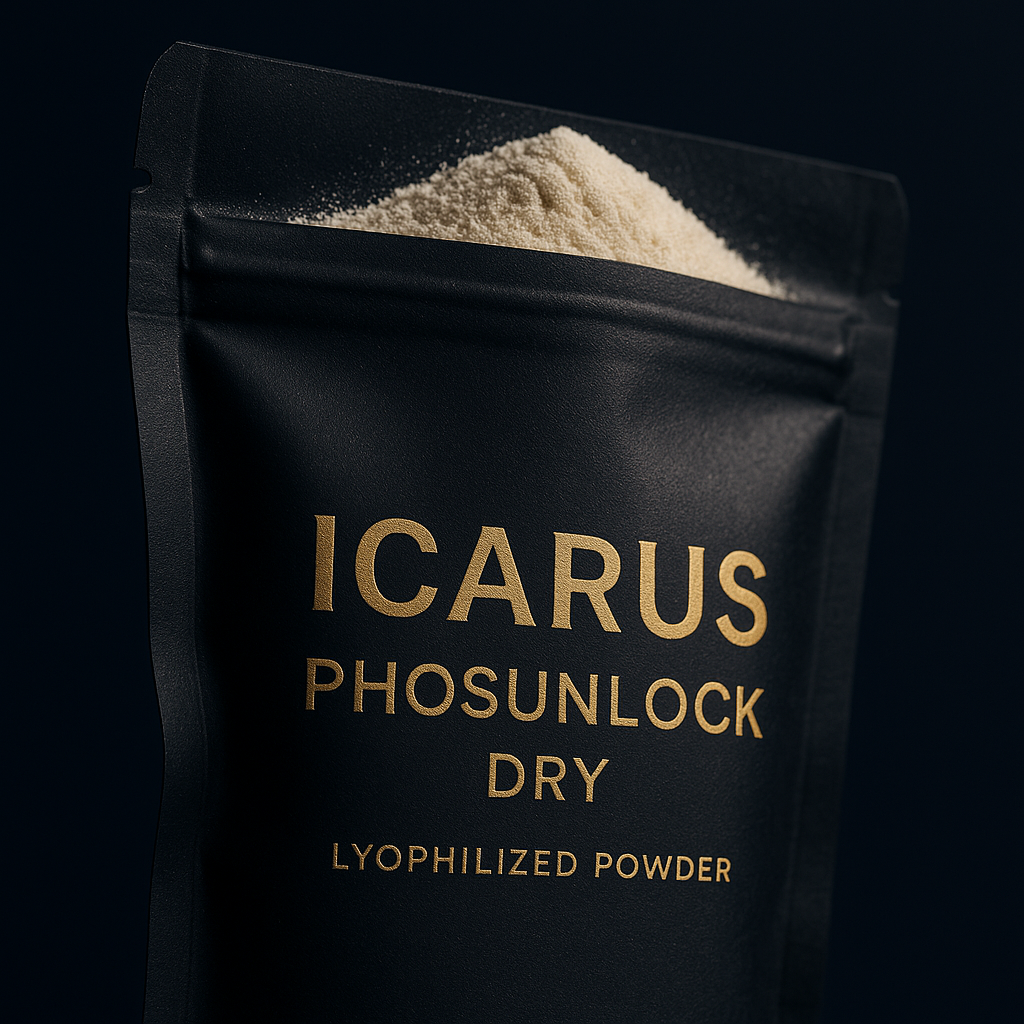
Lyophilized
In Stock
View Product →
Icarus PhosUnlock Dry
Freeze-dried phosphorus solubilizer — ambient storage, 1 lb covers 100 acres
CornSoybeansWheat+2
from $199.00
100 acres covered
Frequently Asked Questions — Soybeans in Michigan
What is the best biological nitrogen fixer for Soybeans in Michigan?+
Bradyrhizobium japonicum is the gold standard biological nitrogen fixer for soybeans, forming root nodules that fix 50–300 lbs N/acre. Combine with Rhizobium strains for maximum nodule density. For Michigan operations, look for products registered with the Michigan Department of Agriculture and tested in Midwest climate conditions.
When should I apply biological inoculants to Soybeans in Michigan?+
Apply Bradyrhizobium inoculants as a seed treatment 24–48 hours before planting, or use a liquid in-furrow application at planting. Avoid UV exposure after treatment. In Michigan, soil temperatures at planting depth should exceed 50°F for optimal inoculant activity — typically late April through May for most growing regions.
What are common NDVI stress signals in Michigan soybeans fields?+
Interveinal chlorosis visible in late-season NDVI imagery, uniform pale-green fields at R1 (first bloom), and low-vigor zones near field edges are common stress indicators in soybeans. Icarus scans your Michigan fields with Sentinel-2 satellite imagery every 5 days at 10m resolution — catching these signals before they become yield losses.
How much nitrogen can biological fixers replace in Soybeans in Michigan?+
Well-nodulated soybeans via biological inoculants can fix their entire N requirement, eliminating starter N costs. This represents $40–80/acre in N savings depending on yield targets. Michigan growers on the Icarus platform average $18/acre in documented N savings across their first full season using biological programs.
How does soil type in Michigan affect biological inoculant performance on Soybeans?+
Soybeans in fields with prior soybean history may have native Bradyrhizobium populations — but inoculant still boosts nodule counts 15–30%. Sandy, acidic soils with pH below 6.0 show the biggest inoculant response. Many Michigan fields feature high-organic-matter glacial till soils ideal for biological programs — a free Icarus field scan can identify which zones will respond best to biologicals.
Want to see the current stress levels in your soybeans fields in Michigan?
Spectra uses free Sentinel-2 satellite data to scan your exact farm polygon every 5 days — detecting stress zones before they cost you yield.
Get Your Free Field Scan →