Cotton in Mississippi
Biological solutions for cotton operations in Mississippi. All products are registered and compliant for use in Mississippi.
ComplianceProducts shown are registered with the Mississippi Department of Agriculture for cotton. Icarus auto-filters by state at checkout.
Recommended for Cotton in Mississippi
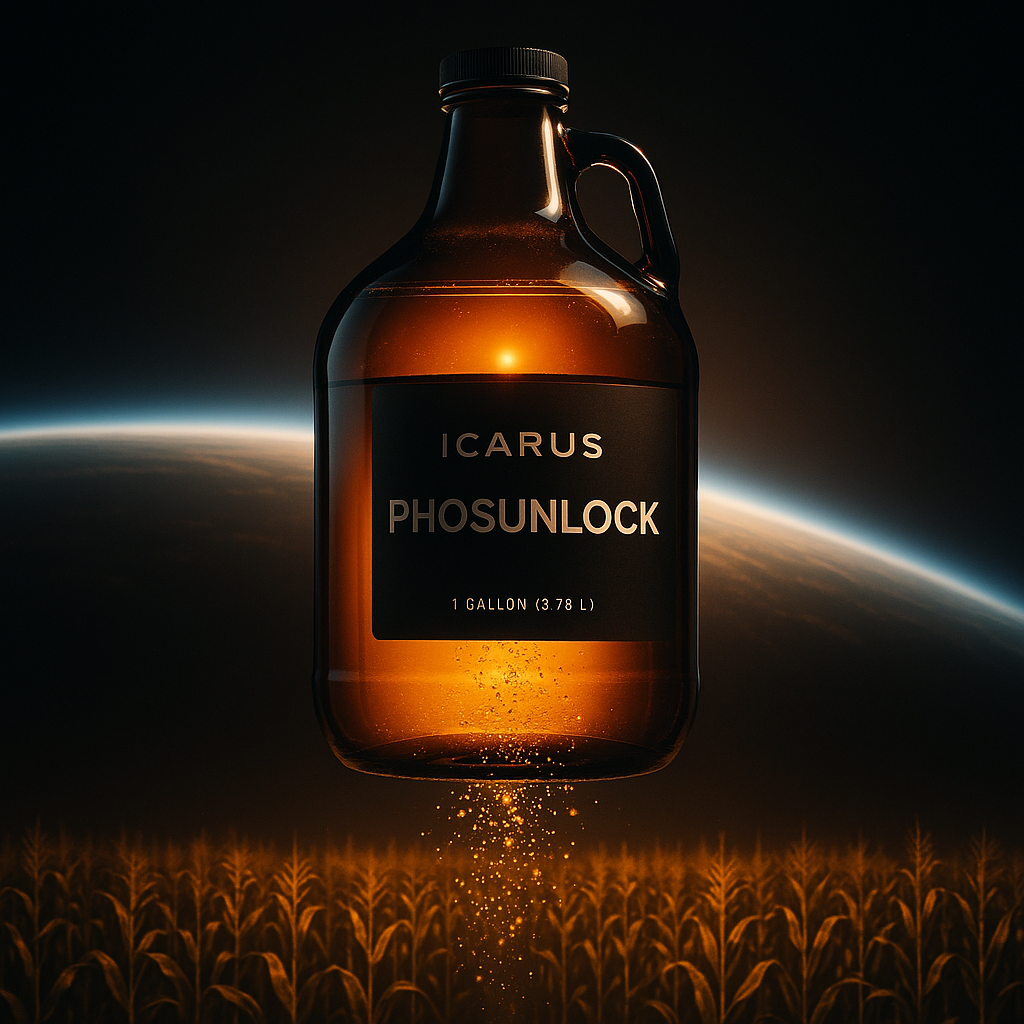
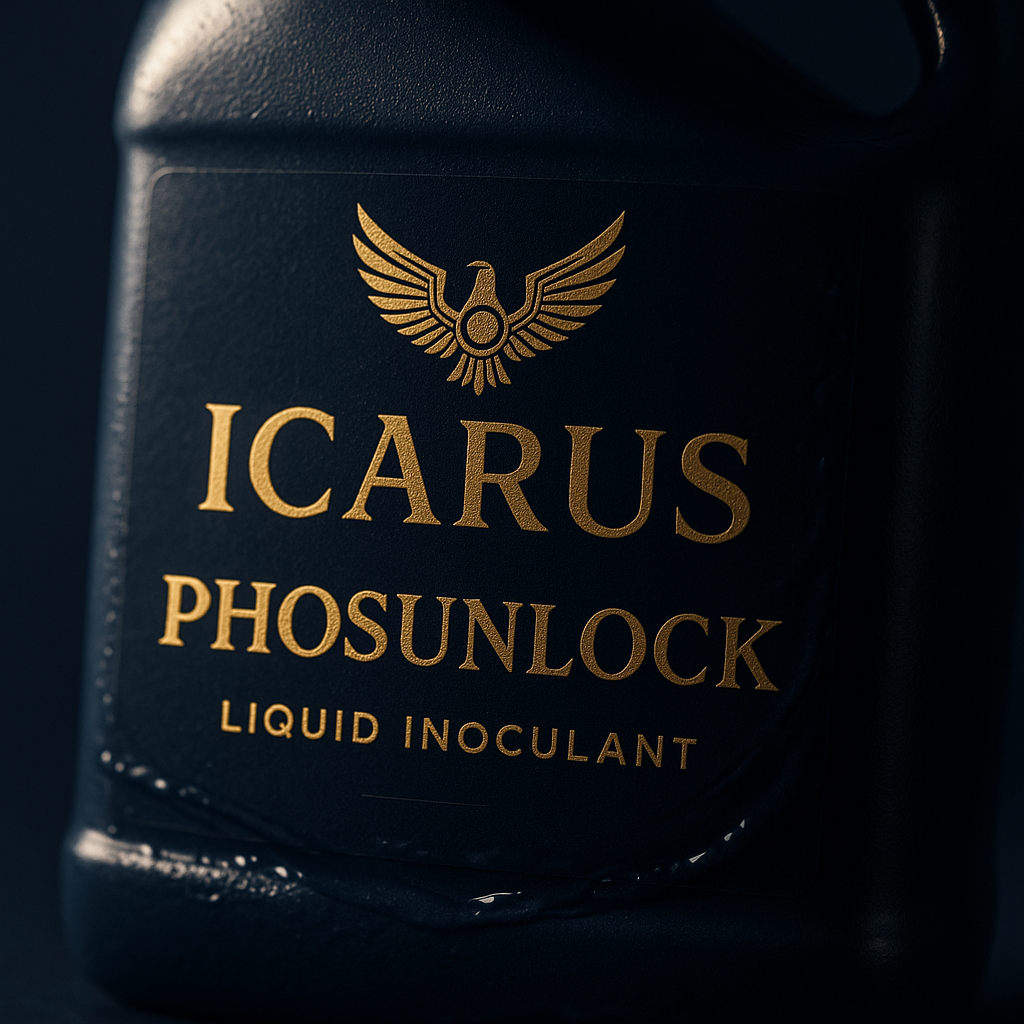
Liquid
In Stock
View Product →
Icarus PhosUnlock
Phosphorus solubilization — unlock what's already in your soil
CornSoybeansWheat+2
from $165.00
50 acres covered
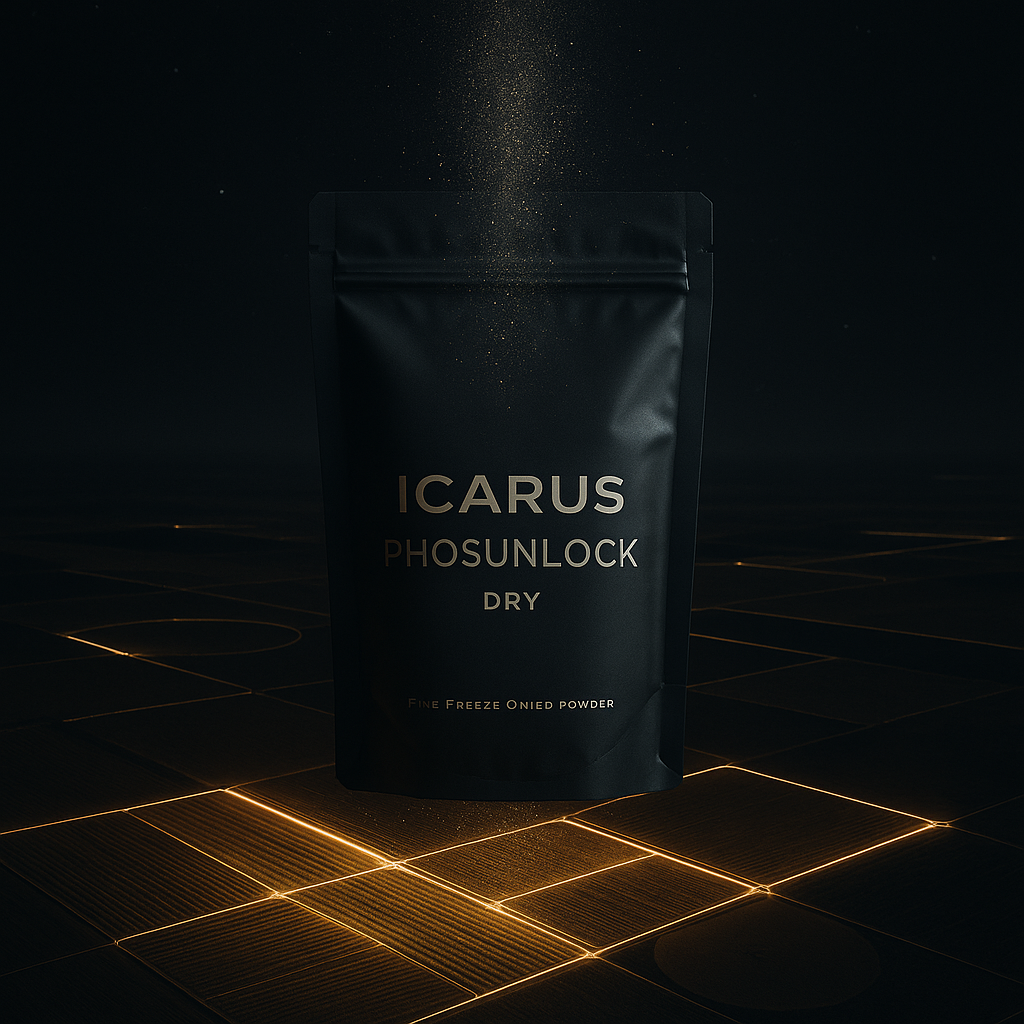
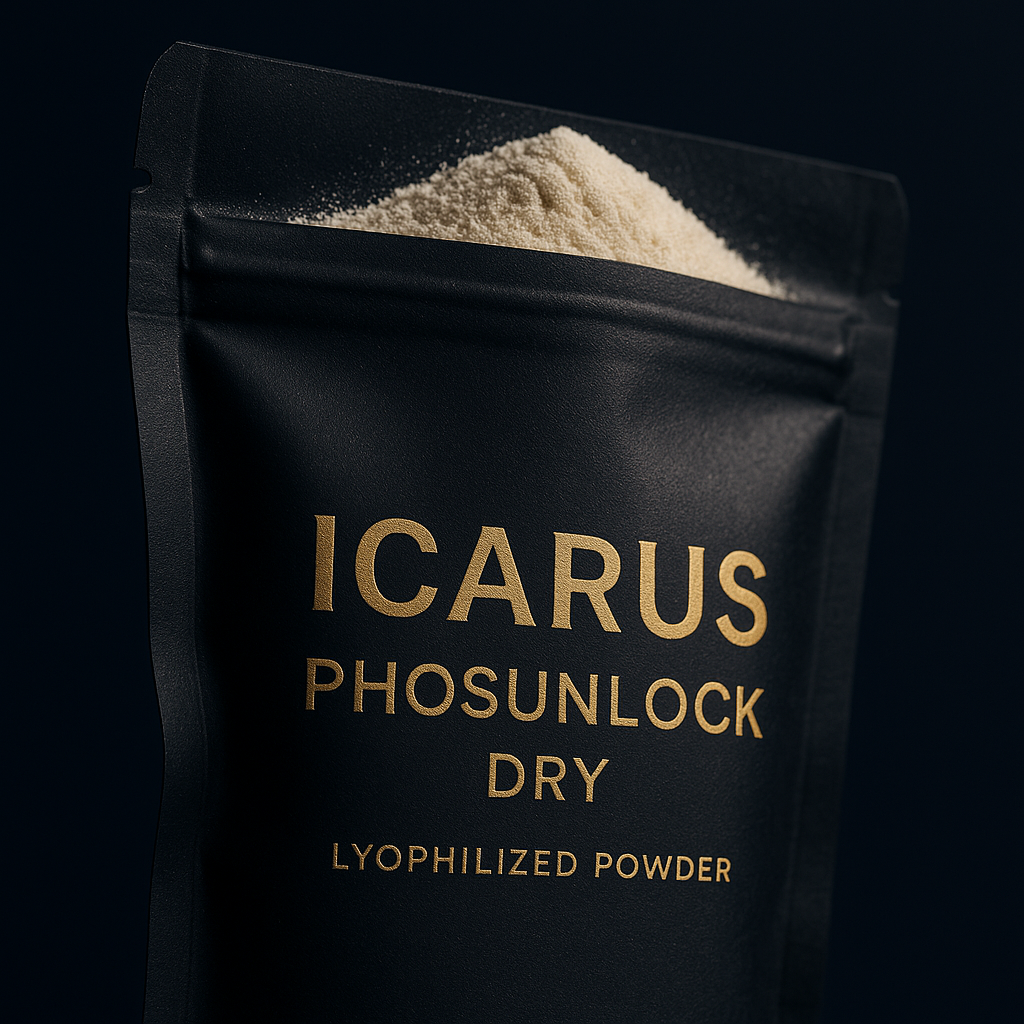
Lyophilized
In Stock
View Product →
Icarus PhosUnlock Dry
Freeze-dried phosphorus solubilizer — ambient storage, 1 lb covers 100 acres
CornSoybeansWheat+2
from $199.00
100 acres covered
Frequently Asked Questions — Cotton in Mississippi
What is the best biological nitrogen fixer for Cotton in Mississippi?+
Azospirillum brasilense and Azoarcus species colonize cotton roots and fix 10–25 lbs N/acre. Combined with mycorrhizal inoculants, phosphorus uptake also improves significantly. For Mississippi operations, look for products registered with the Mississippi Department of Agriculture and tested in Midwest climate conditions.
When should I apply biological inoculants to Cotton in Mississippi?+
Apply at-planting with a liquid in-furrow treatment. Cotton's long growing season allows a second application at first square (flower bud formation) to boost mid-season N fixation. In Mississippi, soil temperatures at planting depth should exceed 50°F for optimal inoculant activity — typically late April through May for most growing regions.
What are common NDVI stress signals in Mississippi cotton fields?+
Leaf-edge reddening visible in early satellite passes, patchy canopy closure delays at 6–8 weeks, and NDVI values below 0.45 at first bloom are primary cotton stress indicators. Icarus scans your Mississippi fields with Sentinel-2 satellite imagery every 5 days at 10m resolution — catching these signals before they become yield losses.
How much nitrogen can biological fixers replace in Cotton in Mississippi?+
Biological programs in cotton typically reduce synthetic N by 15–25 lbs/acre. Combined with precision NDVI scouting, total nitrogen cost reductions of 20–30% are achievable. Mississippi growers on the Icarus platform average $18/acre in documented N savings across their first full season using biological programs.
How does soil type in Mississippi affect biological inoculant performance on Cotton?+
Cotton's deep taproot system benefits from in-furrow applications that deliver inoculants directly to the rooting zone. Sandy coastal soils need higher application rates; heavy clays need inoculant with good soil penetrant. Many Mississippi fields feature diverse soil types across the state — a free Icarus field scan can identify which zones will respond best to biologicals.
Want to see the current stress levels in your cotton fields in Mississippi?
Spectra uses free Sentinel-2 satellite data to scan your exact farm polygon every 5 days — detecting stress zones before they cost you yield.
Get Your Free Field Scan →