Corn in Kentucky
Biological solutions for corn operations in Kentucky. All products are registered and compliant for use in Kentucky.
ComplianceProducts shown are registered with the Kentucky Department of Agriculture for corn. Icarus auto-filters by state at checkout.
Recommended for Corn in Kentucky
Liquid
In Stock
View Product →
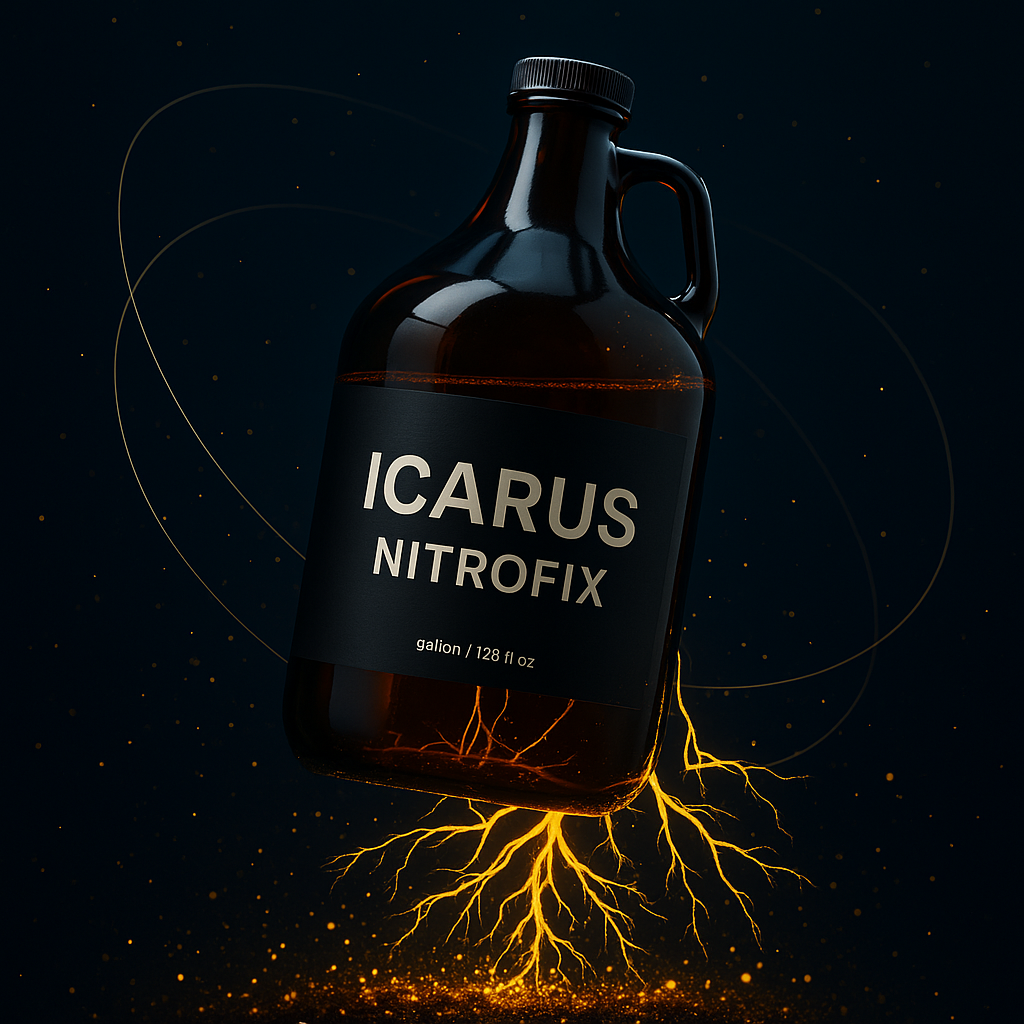
Icarus NitroFix
Biological nitrogen fixation — replace 20–40 lbs N/acre
CornWheatSorghum+2
from $189.00
50 acres covered
Liquid
In Stock
View Product →
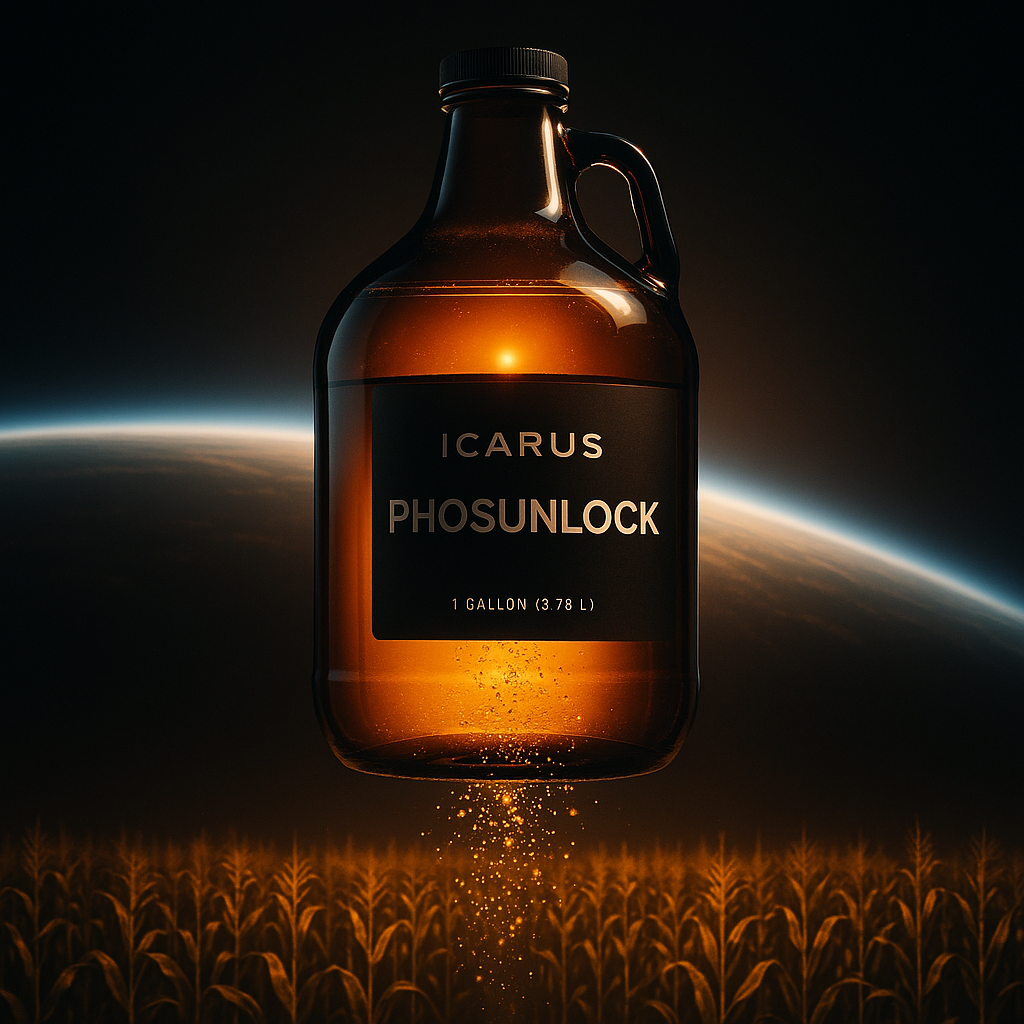
Icarus PhosUnlock
Phosphorus solubilization — unlock what's already in your soil
CornSoybeansWheat+2
from $165.00
50 acres covered
Lyophilized
In Stock
View Product →
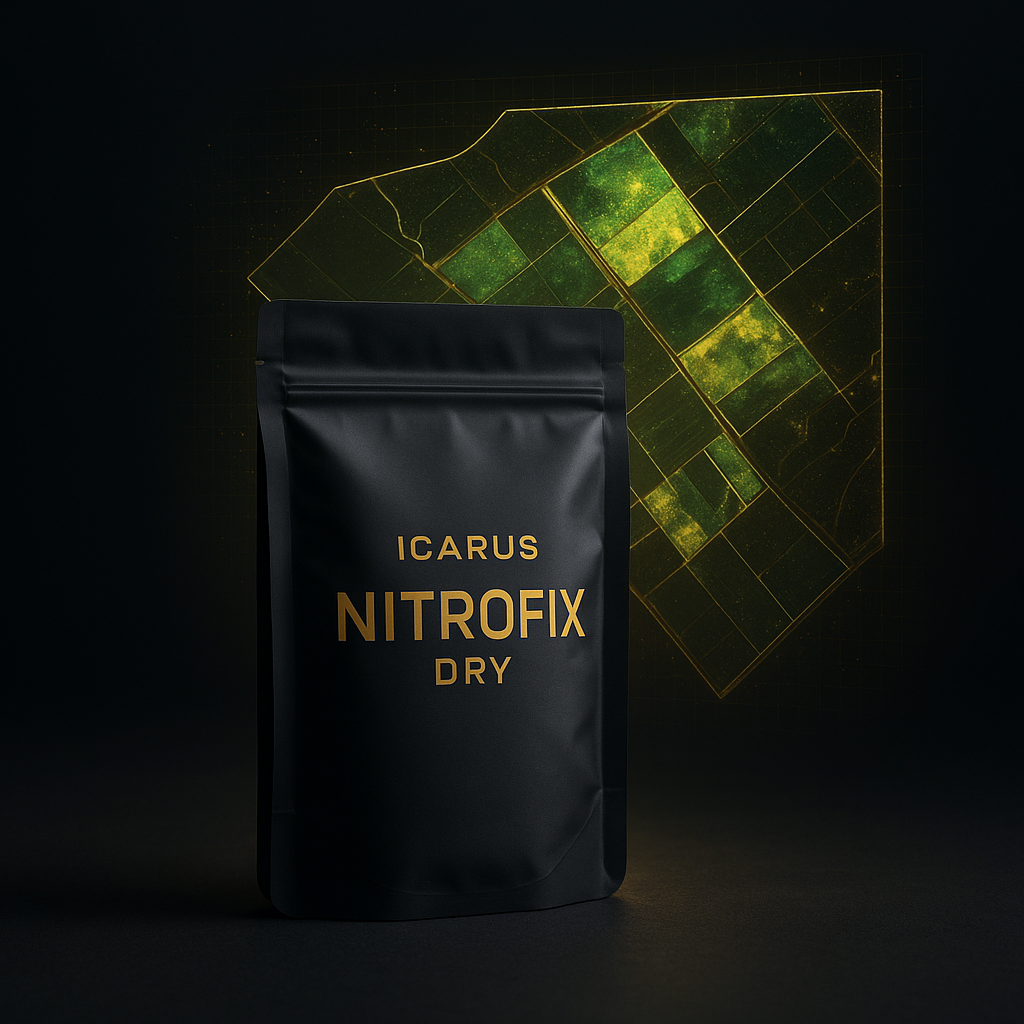
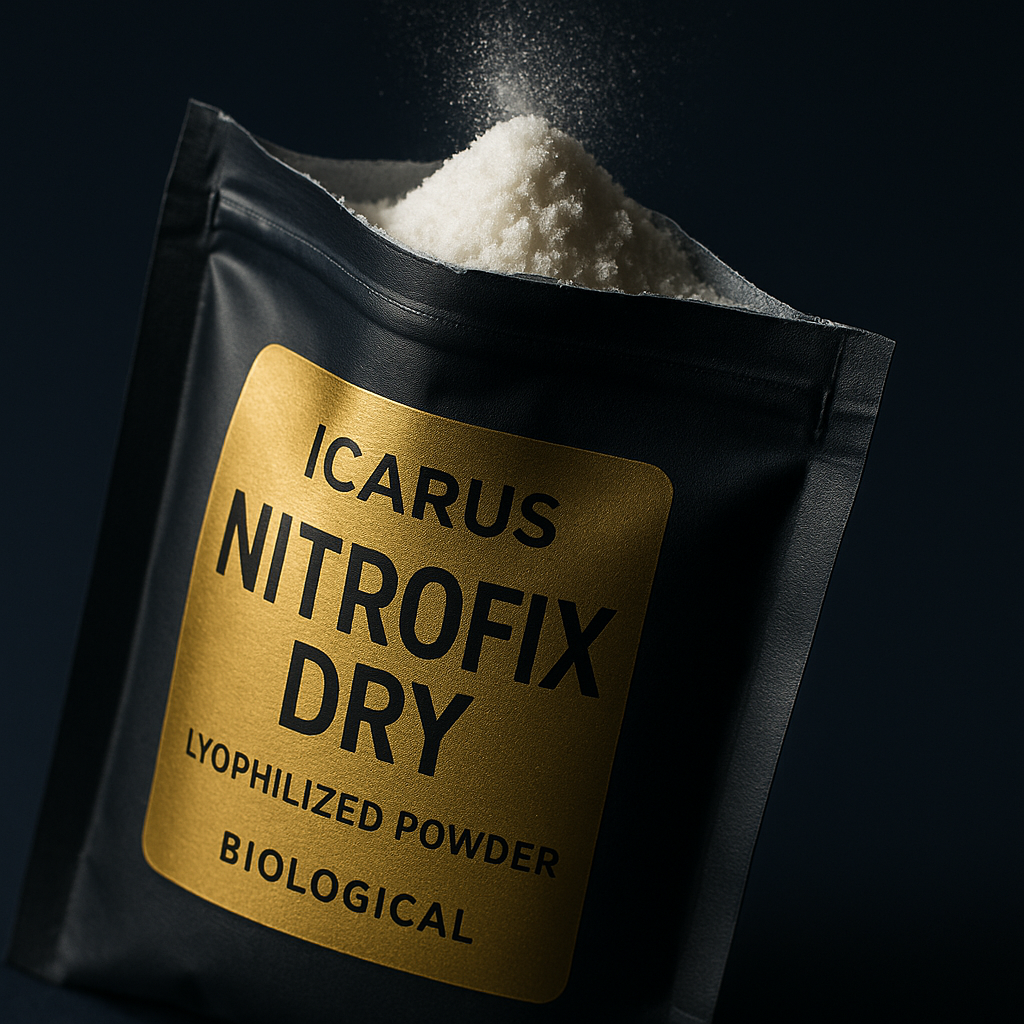
Icarus NitroFix Dry
Freeze-dried nitrogen fixer — no refrigeration, 24-month shelf life
CornWheatSorghum+2
from $229.00
100 acres covered
Lyophilized
In Stock
View Product →
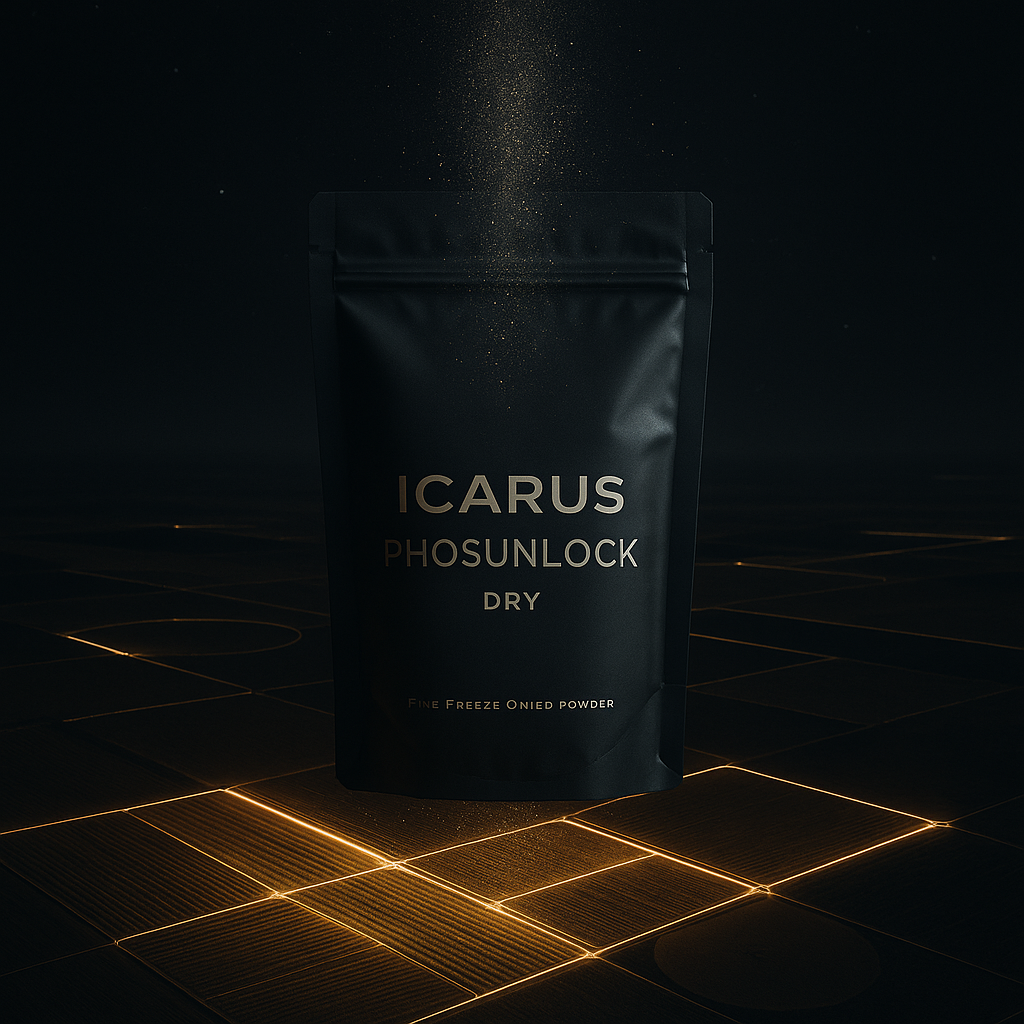
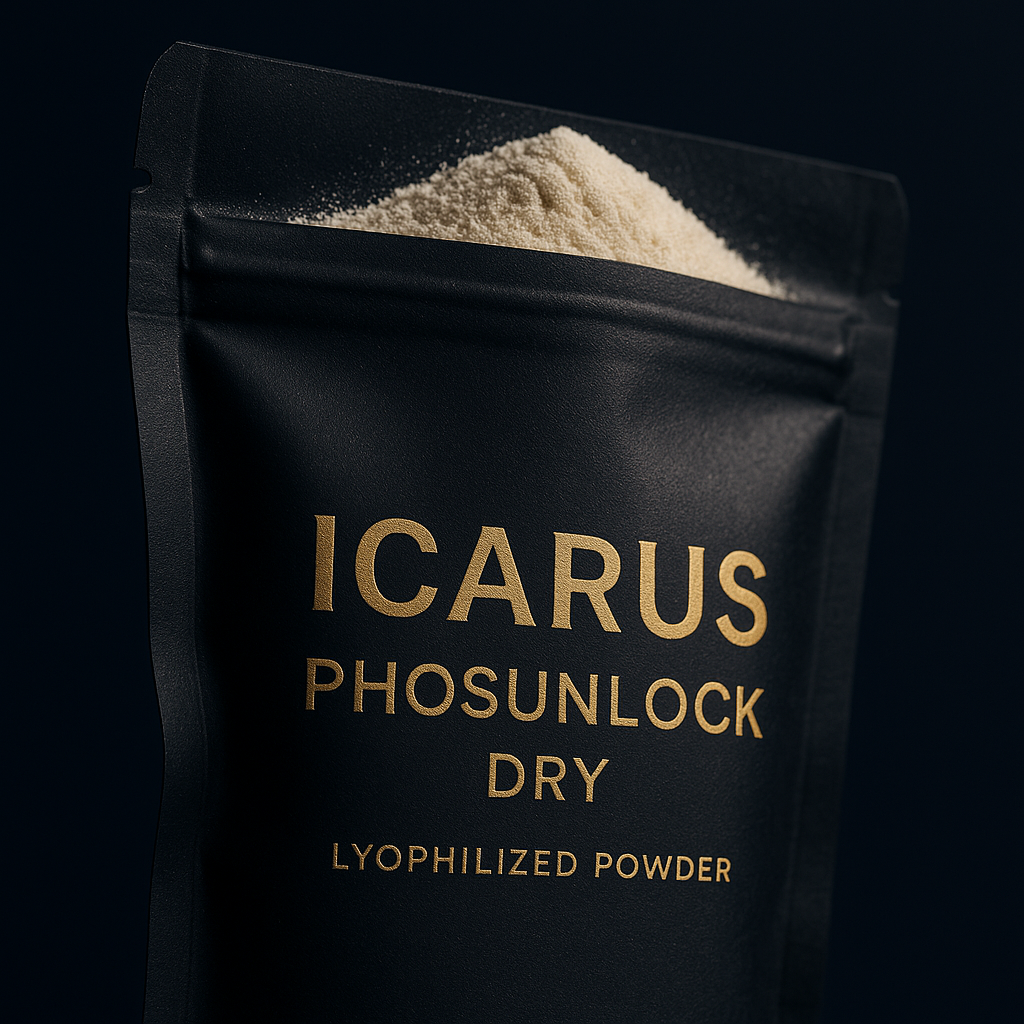
Icarus PhosUnlock Dry
Freeze-dried phosphorus solubilizer — ambient storage, 1 lb covers 100 acres
CornSoybeansWheat+2
from $199.00
100 acres covered
Frequently Asked Questions — Corn in Kentucky
What is the best biological nitrogen fixer for Corn in Kentucky?+
Azospirillum brasilense and Gluconacetobacter diazotrophicus combination products like Icarus NitroFix are the top-performing biological nitrogen fixers for corn. University trials show 20–40 lbs N/acre fixation when applied at planting. For Kentucky operations, look for products registered with the Kentucky Department of Agriculture and tested in Midwest climate conditions.
When should I apply biological inoculants to Corn in Kentucky?+
Apply biological inoculants at-planting either in-furrow or as a seed treatment. For corn, V2–V4 (2–4 leaf stage) in-furrow or foliar application captures the period of highest root colonization success. In Kentucky, soil temperatures at planting depth should exceed 50°F for optimal inoculant activity — typically late April through May for most growing regions.
What are common NDVI stress signals in Kentucky corn fields?+
NDVI drops below 0.4 after V5, inter-row yellowing visible in 10m imagery, or patchy low-NDVI zones correlating with compaction layers are the key early stress signals in corn. Icarus scans your Kentucky fields with Sentinel-2 satellite imagery every 5 days at 10m resolution — catching these signals before they become yield losses.
How much nitrogen can biological fixers replace in Corn in Kentucky?+
In replicated trials, biological N fixers typically replace 20–40 lbs of synthetic N per acre in corn — roughly $13–26/acre at current UAN prices. Heavy clay soils with poor aeration see lower fixation rates. Kentucky growers on the Icarus platform average $18/acre in documented N savings across their first full season using biological programs.
How does soil type in Kentucky affect biological inoculant performance on Corn?+
Soil organic matter above 3% and pH 6.0–7.0 significantly boost inoculant survival and colonization. Light sandy soils benefit from higher inoculant application rates to offset faster microbial turnover. Many Kentucky fields feature high-organic-matter glacial till soils ideal for biological programs — a free Icarus field scan can identify which zones will respond best to biologicals.
Want to see the current stress levels in your corn fields in Kentucky?
Spectra uses free Sentinel-2 satellite data to scan your exact farm polygon every 5 days — detecting stress zones before they cost you yield.
Get Your Free Field Scan →