Barley
Satellite stress detection and biological solutions built for barley operations. From nitrogen fixation to phosphorus solubilization — orbit to harvest.
Scan My Barley Fields Free →Key Stress Signals
- → NDVI drop >0.15 over 10 days — nutrient or disease stress
- → Patchy low-NDVI zones — compaction or drainage
- → Field-edge yellowing — N deficiency boundary
- → Uniform low NDVI at early stage — act now
Biological Solutions for Barley
Liquid
In Stock
View Product →
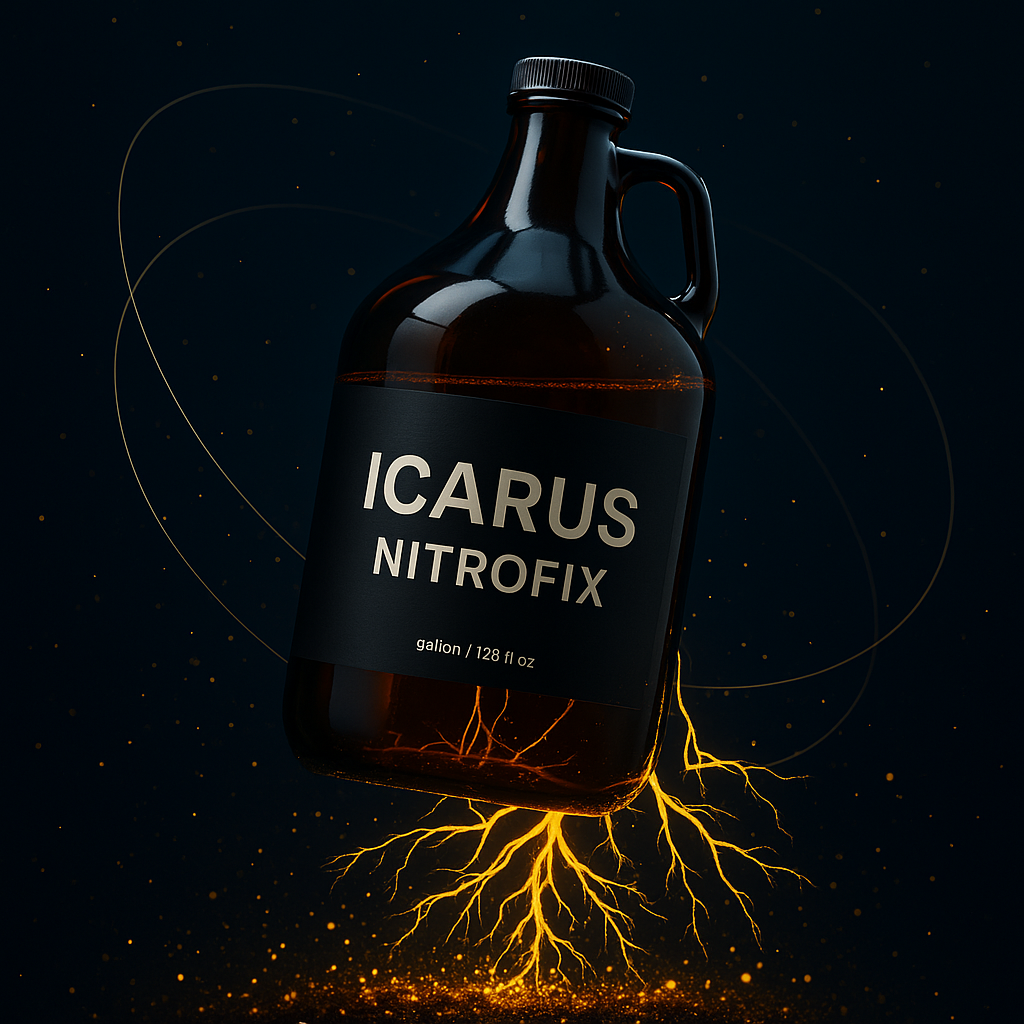
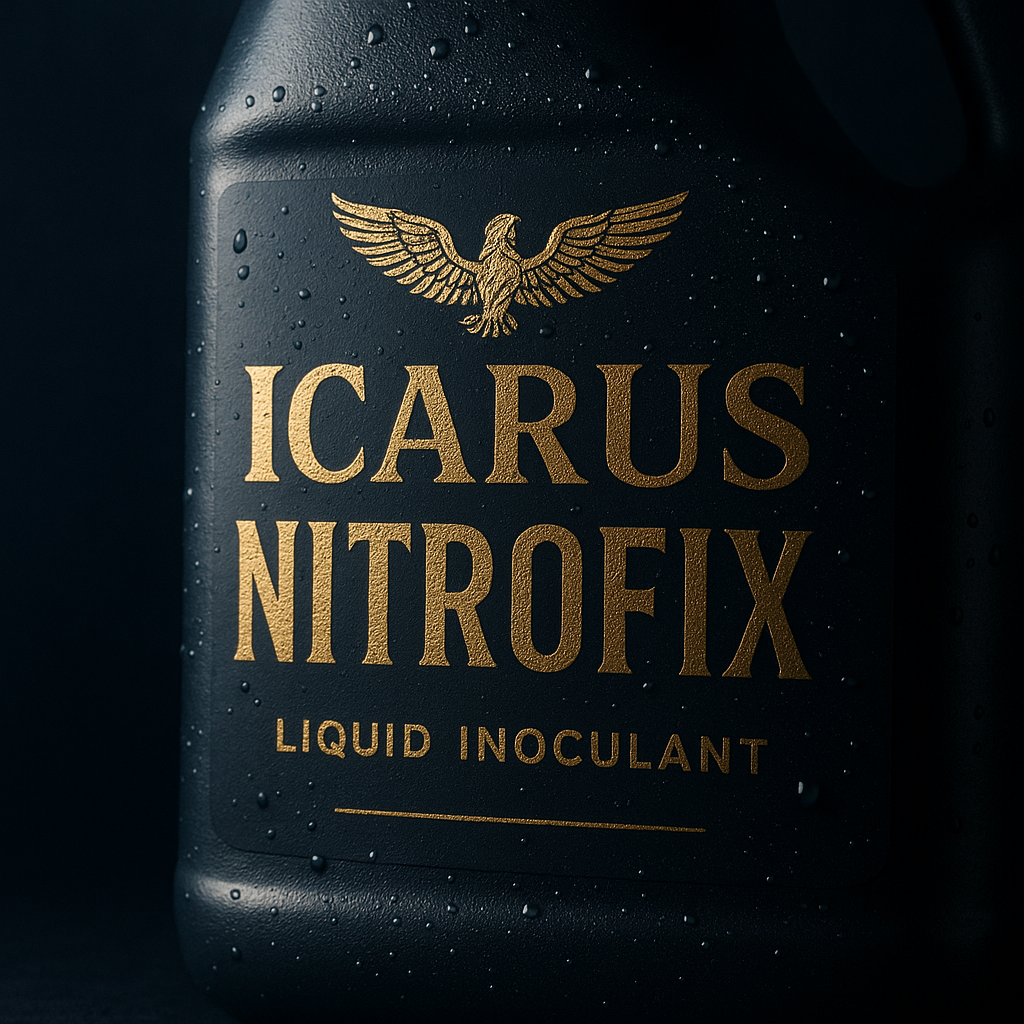
Icarus NitroFix
Biological nitrogen fixation — replace 20–40 lbs N/acre
CornWheatSorghum+2
from $189.00
50 acres covered
Lyophilized
In Stock
View Product →
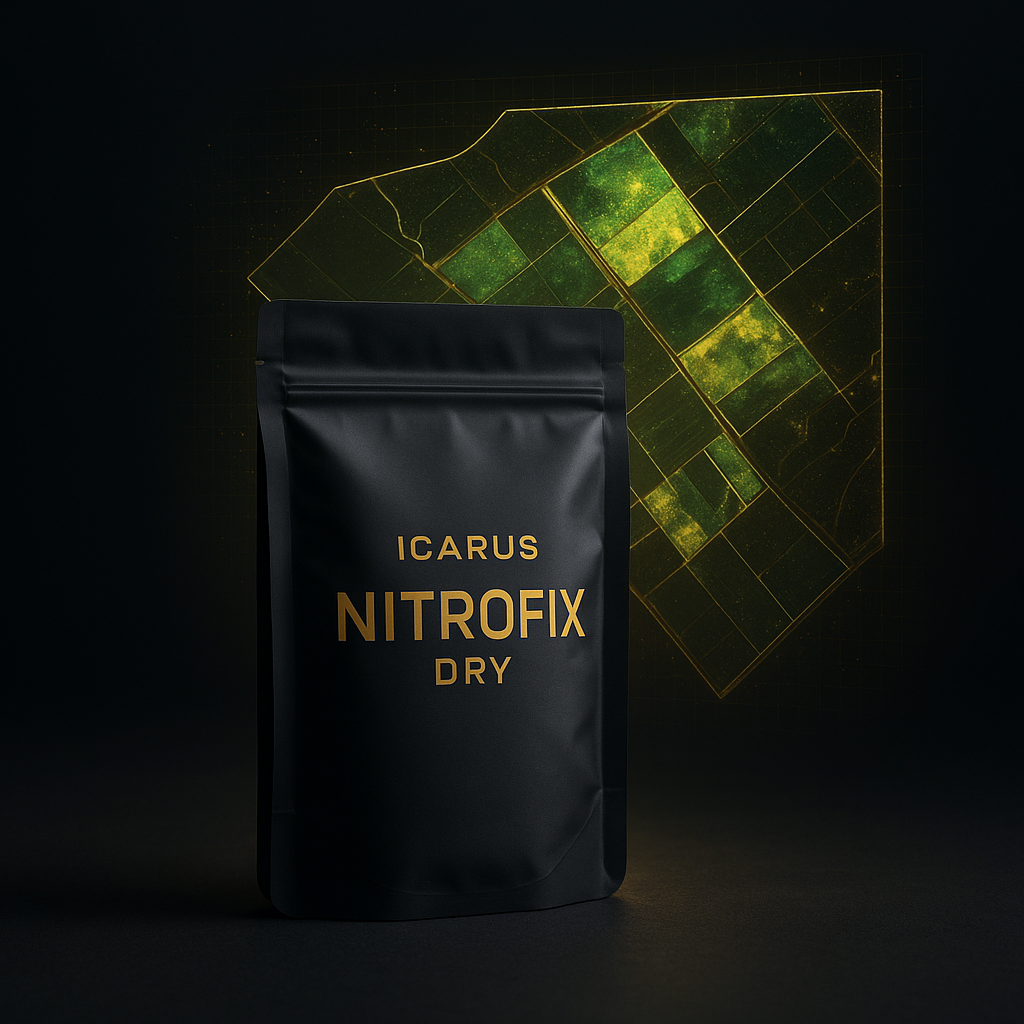
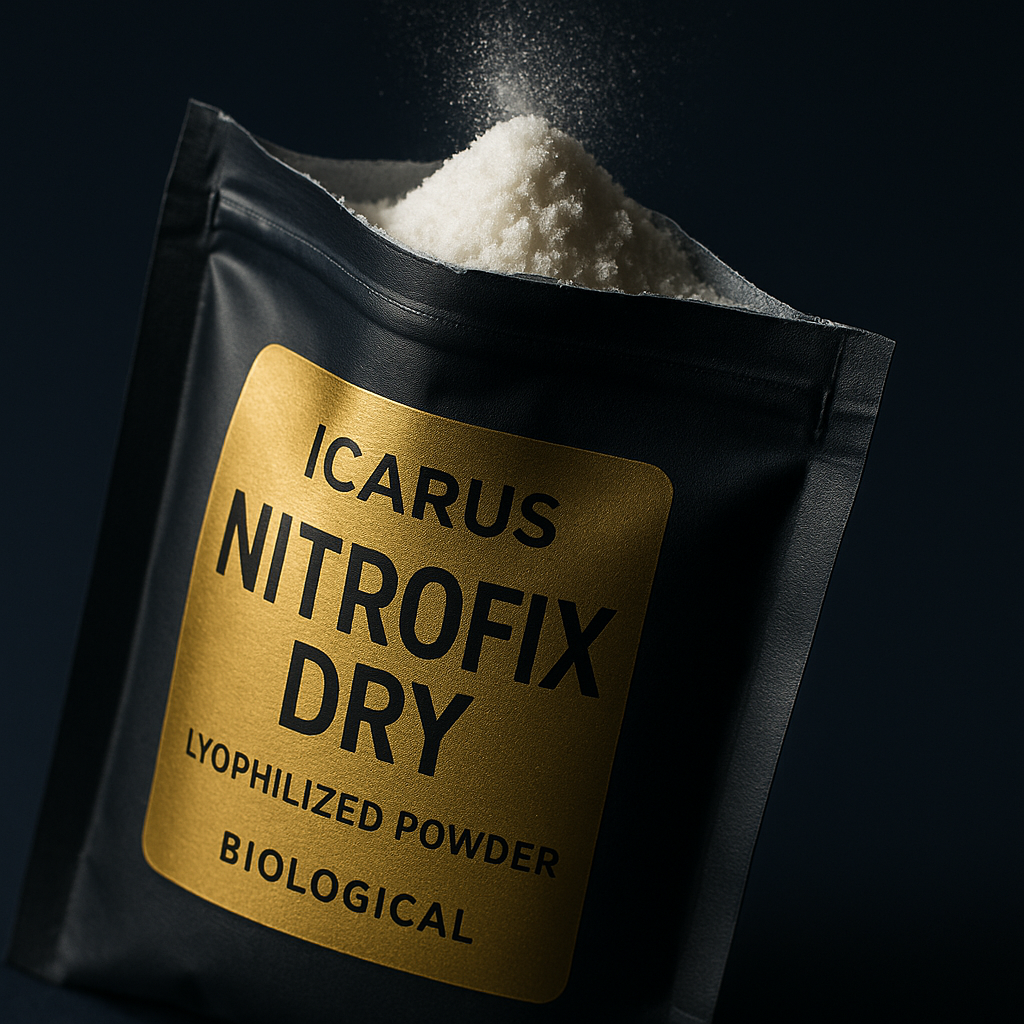
Icarus NitroFix Dry
Freeze-dried nitrogen fixer — no refrigeration, 24-month shelf life
CornWheatSorghum+2
from $229.00
100 acres covered
Barley by State
Compliance-filtered recommendations. Only products registered in your jurisdiction.
Barley in Alabama →Barley in Arkansas →Barley in Colorado →Barley in Georgia →Barley in Idaho →Barley in Illinois →Barley in Indiana →Barley in Iowa →Barley in Kansas →Barley in Kentucky →Barley in Michigan →Barley in Minnesota →Barley in Mississippi →Barley in Missouri →Barley in Montana →Barley in Nebraska →Barley in North Dakota →Barley in Ohio →Barley in Oklahoma →Barley in South Dakota →Barley in Tennessee →Barley in Texas →Barley in Wisconsin →
Frequently Asked Questions — Barley
What is the best biological nitrogen fixer for Barley in the US Midwest?+
Azospirillum brasilense combination products are widely effective biological nitrogen fixers across most grain crops, fixing 15–35 lbs N/acre under good conditions. For the US Midwest operations, look for products registered with the the US Midwest Department of Agriculture and tested in Midwest climate conditions.
When should I apply biological inoculants to Barley in the US Midwest?+
Apply biological inoculants at planting as a seed treatment or in-furrow application to maximize early root colonization during the critical seedling establishment window. In the US Midwest, soil temperatures at planting depth should exceed 50°F for optimal inoculant activity — typically late April through May for most growing regions.
What are common NDVI stress signals in the US Midwest barley fields?+
NDVI drops of more than 0.15 over a 10-day period, patchy low-vigor zones, or overall values below crop-stage benchmarks are reliable early stress indicators in satellite imagery. Icarus scans your the US Midwest fields with Sentinel-2 satellite imagery every 5 days at 10m resolution — catching these signals before they become yield losses.
How much nitrogen can biological fixers replace in Barley in the US Midwest?+
Biological N fixers typically replace 15–35 lbs of synthetic N per acre, translating to $10–22/acre in input savings depending on local UAN or anhydrous prices. the US Midwest growers on the Icarus platform average $18/acre in documented N savings across their first full season using biological programs.
How does soil type in the US Midwest affect biological inoculant performance on Barley?+
Soil pH between 6.0–7.0, good drainage, and organic matter above 2.5% provide the best environment for biological inoculant colonization and N fixation activity. Many the US Midwest fields feature diverse soil types across the state — a free Icarus field scan can identify which zones will respond best to biologicals.